Understanding Mindfulness Practices
Exploring meditation, breathing techniques, and contemplative approaches to mental clarity and well-being
What is Mindfulness?
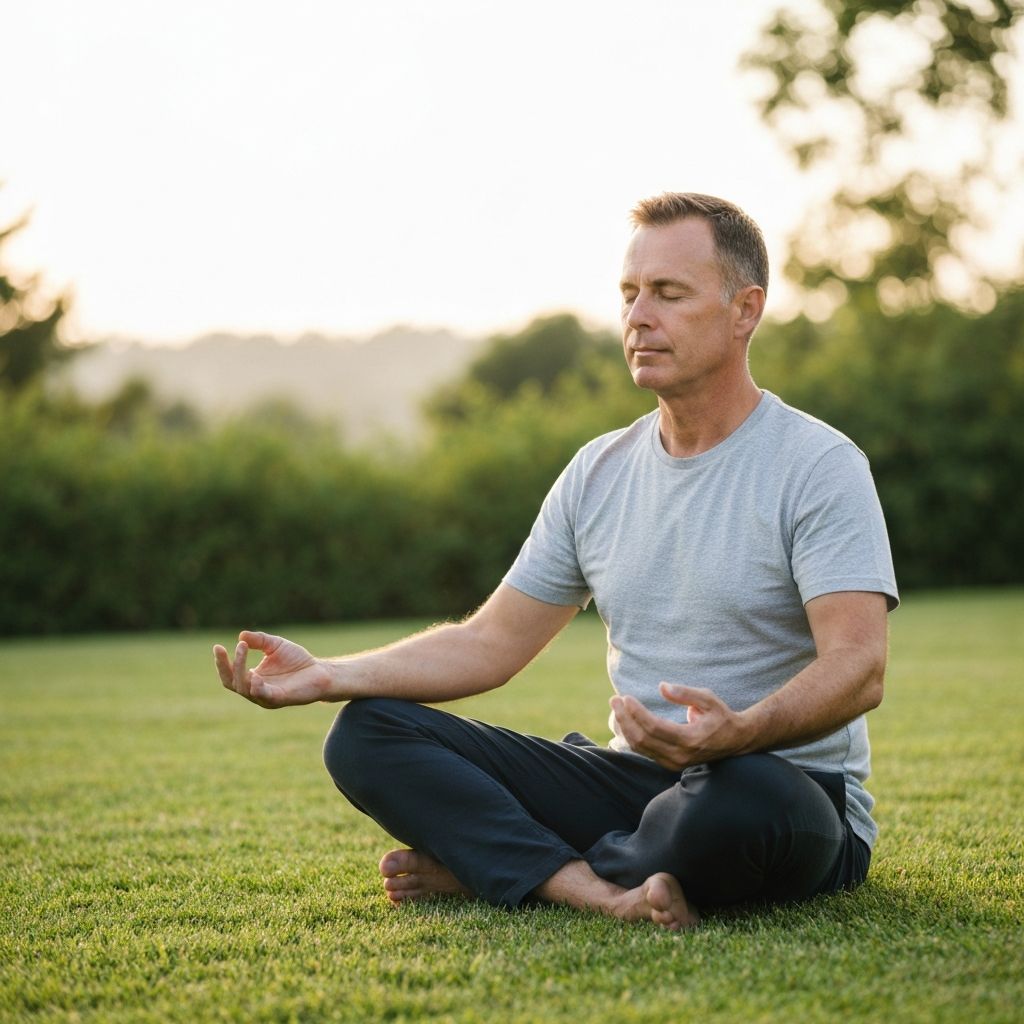
Mindfulness refers to the practice of present-moment awareness without judgment. It is the capacity to observe thoughts, emotions, and sensations as they arise, without getting caught up in them or reacting automatically. This practice has been explored across many cultures and philosophical traditions for centuries and is now studied extensively in contemporary psychology and neuroscience.
Core Principles of Mindfulness
Present Moment Awareness
Rather than dwelling on past experiences or worrying about the future, mindfulness anchors attention to what is happening right now. This simple shift can reduce anxiety and increase engagement with life as it unfolds.
Non-Judgmental Observation
Mindfulness involves observing thoughts and feelings without labeling them as good or bad. This creates space between stimulus and response, allowing for greater choice in how we react to situations.
Acceptance and Letting Go
Rather than fighting or resisting difficult emotions, mindfulness practices encourage a gentle acknowledgment and eventual release. This reduces the additional suffering that comes from struggling against what we experience.
Common Mindfulness Practices
Meditation
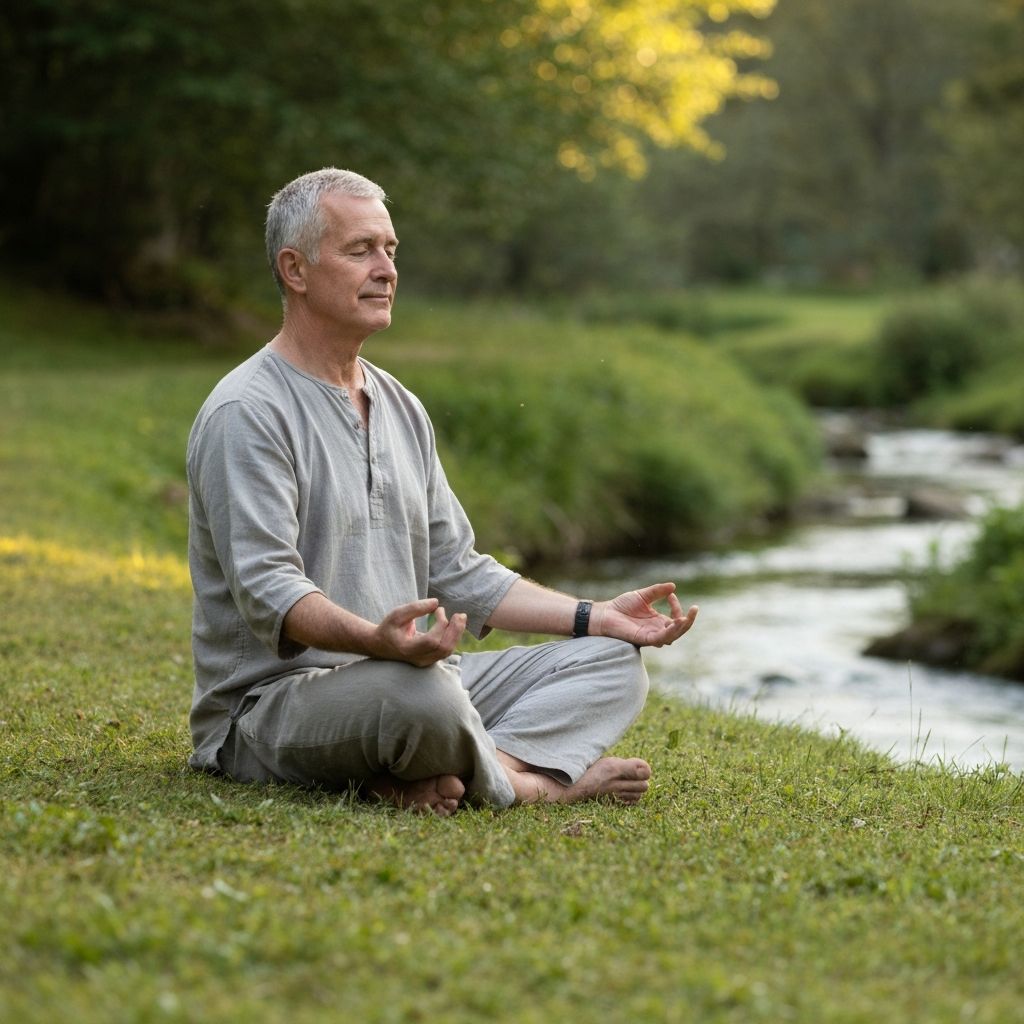
Sitting quietly and focusing attention on the breath, a mantra, or bodily sensations. Meditation is perhaps the most recognized mindfulness practice and can be adapted to various time frames and settings.
Breathing Techniques
Conscious control of breath patterns—such as slow, deep breathing or alternate nostril breathing—can activate the nervous system's relaxation response and anchor attention to the present moment.
Body Scan
A practice of slowly moving attention through different parts of the body, noticing sensations without trying to change them. This develops awareness of physical experience.
Mindful Movement
Practices like yoga, tai chi, or walking meditation integrate mindfulness with physical movement, bringing present-moment awareness into everyday activities.
Loving-Kindness Meditation
A practice of cultivating compassion toward oneself and others through specific phrases and visualization, often addressing feelings of disconnection or self-criticism.
Mindful Eating
Bringing full attention and awareness to the eating experience—noticing tastes, textures, and sensations—rather than eating on autopilot or out of emotional habit.
Benefits of Mindfulness Practice
Research explores many potential benefits of regular mindfulness practice, though outcomes vary from person to person. Generally described benefits include:
- Stress Reduction: Mindfulness practices can help reduce the physiological and psychological effects of chronic stress
- Improved Focus: Regular practice strengthens the ability to concentrate and maintain attention on chosen tasks
- Emotional Regulation: Mindfulness can help develop greater awareness of emotions and more skillful responses to emotional challenges
- Better Sleep: Evening mindfulness practices may improve sleep quality by calming the nervous system
- Reduced Anxiety: The non-judgmental observation of thoughts can lessen the power of anxious thinking patterns
- Greater Self-Awareness: Regular practice develops deeper understanding of one's own thoughts, patterns, and reactions
- Improved Relationships: Mindfulness can increase empathy, patience, and quality of attention in interactions with others
Getting Started with Mindfulness
If you're new to mindfulness, consider these approaches:

Start Small
Begin with just 5-10 minutes of practice daily. Consistency matters more than duration. A brief daily practice is more beneficial than occasional longer sessions.
Choose Your Practice
Experiment with different techniques—meditation, breathing, body scan, or mindful movement—to find what resonates with you. Different approaches work for different people.
Create a Routine
Establish a regular time and place for practice. Many find that morning practice sets a calm tone for the day, while evening practice aids sleep.
Be Patient with Yourself
The mind naturally wanders. This is not failure. Mindfulness is about gently returning attention when you notice it has drifted. This returning is the practice itself.
Mindfulness in Daily Life
Mindfulness doesn't need to be confined to formal meditation sessions. You can bring mindful awareness to everyday activities:
- Mindful eating during meals
- Mindful walking, whether to work or in nature
- Mindful listening in conversations
- Mindful work, giving full attention to tasks
- Mindful morning routines, beginning the day with intention
- Mindful evening reflection, reviewing the day without judgment
Important Note: Mindfulness practices can be valuable for general well-being. However, if you're experiencing significant anxiety, depression, or other mental health challenges, it's important to work with qualified mental health professionals. While mindfulness can complement professional treatment, it is not a substitute for professional care when needed.